






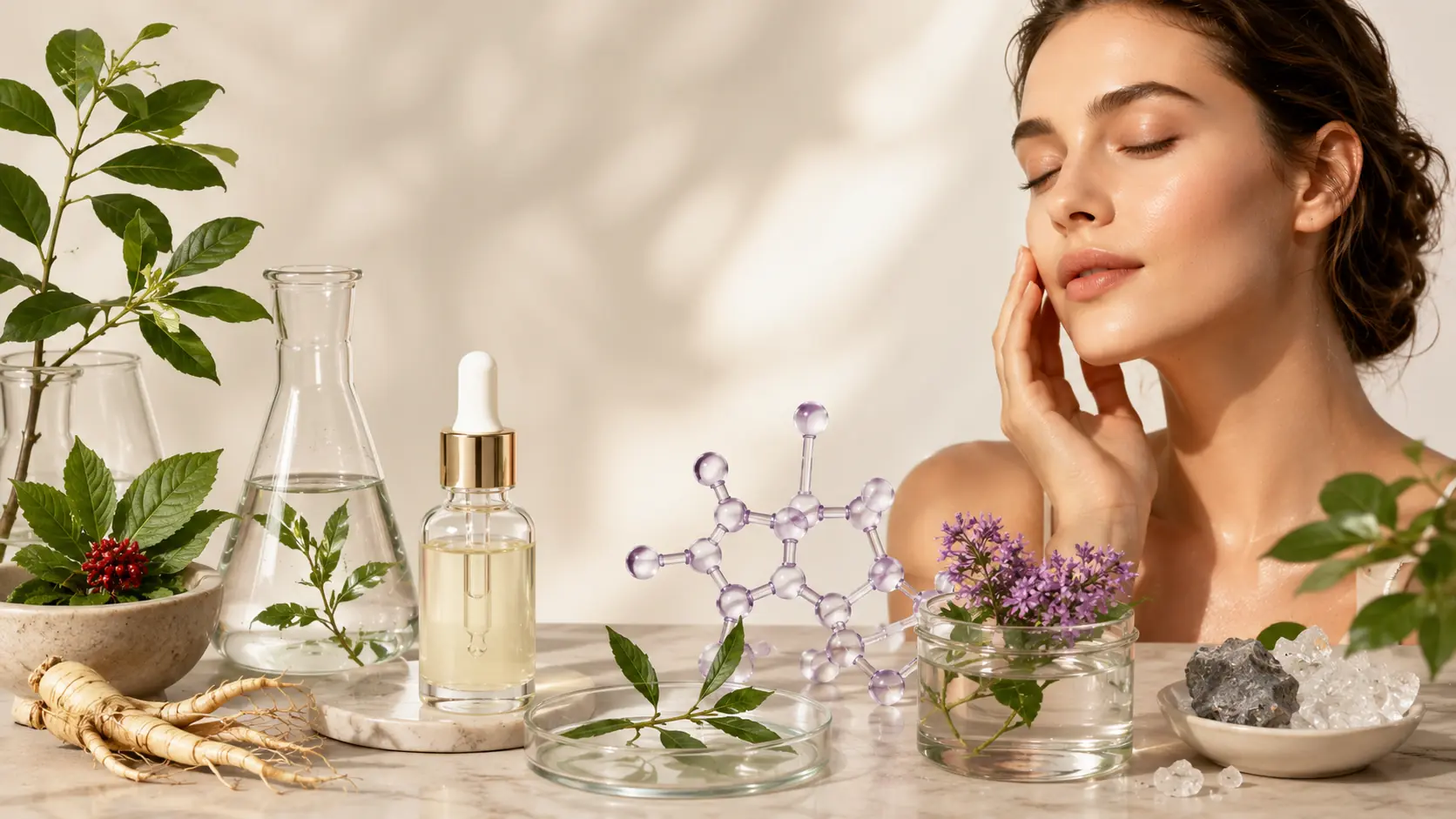
The skincare category is talking to your nervous system and what it actually means for your skin
If your skin becomes red easily, reacts faster, or starts looking tired during stressful periods, that is not just a coincidence. Stress and skin health are directly connected through biological responses that affect inflammation, skin barrier function, and premature aging. That is exactly why topical nootropics for skin in 2026 are gaining attention in the skincare industry. Ingredients like adaptogens, magnesium, and neuropeptides are leading this trend because they help support stressed skin, improve skin recovery, and strengthen overall skin resilience. Understanding how these skincare ingredients actually work helps you choose effective formulas instead of products that only sound scientific.
Why This Trend Matters in 2026
The neurocosmetics market reached USD 1.6 billion in 2025. It is projected to grow to USD 3.6 billion by 2035 at a compound annual growth rate of 8.4%. As dermatologist Dr. Iryna Lazuk explains on Skin Doctor AI, the shift is fundamental: traditional skincare repairs damage after it happens, neurocosmetics interrupt the stress signaling that causes damage in the first place. That distinction drives the category’s rapid growth.
What Topical Nootropics Mean for Skin
Nootropics were originally a cognitive wellness concept compounds that support brain function, reduce mental fatigue, and improve stress resilience. In skincare, the term topical nootropics is mainly used to describe neurocosmetic ingredients and formulations designed around the connection between the nervous system, stress signaling, and skin function. These products may aim to soothe visible signs of stress, support the skin barrier, or improve the appearance of sensitivity, although evidence varies considerably by ingredient. Within this broader neurocosmetics trend, adaptogens, magnesium containing formulations, and neuropeptide technologies are among the ingredient categories attracting attention, although the strength of evidence varies between ingredients and products.
How Adaptogens Fit into Skincare
What Adaptogens Do
Adaptogens are botanicals that help the body regulate its stress response. They were originally studied for systemic effects when ingested. Now, researchers increasingly validate them for topical use. When used topically, some adaptogenic botanicals show antioxidant, soothing, or anti inflammatory potential in laboratory and early skincare research. However, evidence varies by botanical and formulation, and topical results should not automatically be equated with the systemic stress effects of oral adaptogens. The result is skin that recovers faster and reacts less intensely to triggers like UV exposure, pollution, and temperature changes. For anyone dealing with stress induced skin aging, adaptogens for sensitive skin are one of the most logical actives to add.
Common Adaptogens to Know
Ashwagandha (Withania somnifera): Has antioxidant and anti inflammatory potential and is widely studied as an adaptogenic botanical, although evidence for specific topical skincare benefits remains more limited than its broader systemic research.
Reishi mushroom: Anti inflammatory and immune modulating, particularly effective for reactive and redness prone skin types.
Panax Ginseng: Stimulates collagen synthesis and reduces oxidative stress, a dual action adaptogen that addresses both stress response and visible aging simultaneously.
Rhodiola rosea: Activates antioxidant enzymes and growth factors, including BDNF studied specifically for its ability to reduce the visible impact of stress on skin texture and tone.
Magnesium and Skin Barrier Support
Magnesium is one of the most underrated minerals in modern skincare and one of the most important ingredients in the growing neurocosmetics category. It helps regulate inflammation, supports cellular repair, and improves the skin’s ability to retain hydration during stress. Since cortisol can deplete magnesium levels inside skin cells, stressed skin often loses barrier strength and becomes more reactive, dry, and sensitive. Topical magnesium helps restore this balance directly on the skin, calming irritation and strengthening the skin barrier without the concerns linked to high dose oral magnesium supplements.
For practical use, apply magnesium in a lightweight serum or mist format before richer moisturizers. There is not enough evidence to establish a specific absorption window for topical magnesium. Follow the product’s application instructions and layer it with the rest of your routine as directed.
What Neuro Peptides Do
Why Brands Are Using Them
Neuro peptides are short chains of amino acids that help regulate communication between nerve cells and skin cells. One of the most researched neuropeptides in skincare is acetyl hexapeptide 8, a popular anti aging ingredient known for targeting fine lines and expression wrinkles. It works by mimicking peptides involved in neuromuscular signaling, which helps reduce repetitive facial muscle movements that gradually deepen wrinkles over time. Research published by the National Center for Biotechnology Information also shows that acetyl hexapeptide 8 can help reduce wrinkle depth, improve skin elasticity, and boost skin hydration. This makes neuropeptides an interesting category for visible anti aging skincare, although the strength of clinical evidence varies considerably between individual peptides and formulations.
Best Way to Think About Them
Neuropeptides are not meant to replace essential skincare products like retinoids or SPF sunscreen. Instead, they work best as a supportive layer within a skincare routine already built around proven anti aging basics. These neurocosmetic ingredients target the neuromuscular side of skin aging, an area that traditional skincare actives often cannot fully address. In addition to softening expression lines and fine wrinkles, some neuropeptides also help reduce skin sensitivity, calm inflammation, and support the skin barrier. That is why they are becoming increasingly popular in calming skincare and stress recovery skincare routines in 2026.
Who This Trend Is For
Topical nootropics for skin 2026 work best for:
Topical nootropics for skin in 2026 work best for people dealing with stress related skin concerns, sensitivity, and weakened skin barrier function. These neurocosmetic skincare ingredients are especially useful for:
- Women in their late 20s and beyond experiencing stress induced skin aging, fine lines, or increased skin sensitivity
- Anyone whose skin reacts more during high stress periods with redness, breakouts, inflammation, or slower recovery
- People with compromised skin barriers who have not seen results from traditional barrier repair skincare products
- Users who want skincare that focuses on calming visible signs of skin stress and supporting the skin barrier
- Anyone interested in calming skincare actives and gentler anti aging alternatives to high strength retinoids or aggressive exfoliants
This is not really a beginner skincare category. Building a strong foundation with SPF sunscreen, a gentle cleanser, and a reliable moisturizer should always come first before adding neuro peptides, adaptogens, or other advanced neurocosmetic actives into your skincare routine.
What to Look For in Products
Ingredient transparency is the most important signal when choosing topical nootropics. Look for:
- Named adaptogenic extracts with percentage disclosure not just “botanical complex” on the label.
- Acetyl hexapeptide 8 for neuro peptide efficacy the most validated neuropeptide in consumer skincare.
- Magnesium chloride or magnesium gluconate in serum or mist formats for barrier support.
- Simple, clean formulas with neuroactive ingredients work best without competing irritants like fragrance or high percentage alcohols.
Two products that handle this category well: The Ordinary Soothing & Moisturizing Serum uses a minimal formula that lets its calming actives work without interference. Charlotte Tilbury’s Magic Cream is another example of a premium moisturizer marketed around anti aging and skin supporting technologies, although it should not be treated as equivalent evidence for the broader topical nootropics category.
What to Avoid
Fragrance in neurocosmetic formulas is counterproductive for stress reactive skin, regardless of how calming the actives are
Overloading your routine topical nootropics needs space to work; stacking retinoids, acids, and neurocosmetic actives in the same step reduces the benefit of each.
Unverified label claims adaptogen infused means nothing without named extracts and real concentrations; always read the full ingredient list.
High concentrations of drying alcohols may be irritating for some sensitive or barrier compromised skin, so check the full ingredient list and consider simpler formulas if your skin reacts easily.
Final Verdict
The topical nootropics for skin 2026 trend reflects a smarter approach to modern skincare by focusing on how emotional stress directly affects inflammation, sensitivity, and skin aging. The appeal of the trend is its focus on skin resilience, visible comfort, and barrier support rather than simply chasing short term cosmetic effects.
If you want an affordable starting point for cellular recovery, utilize The Ordinary Soothing & Barrier Support Serum. Conversely, if you want a premium anti aging option that targets expression lines, invest in formulas containing acetyl hexapeptide 8.
FAQ
Q1. Are topical nootropics real?
Ans. Yes, topical nootropics are real. However, the term serves more as an industry label for neurocosmetics. These formulas utilize science backed ingredients to target the skin brain axis and soothe stress induced irritation locally.
Q2. Do adaptogens actually work when applied to skin?
Ans. Some topical adaptogens show antioxidant, soothing, or anti inflammatory potential, but the evidence is still uneven and depends on the specific botanical and formulation. There is no universal four to eight week timeline that applies to every adaptogenic skincare product, so follow the product’s directions and judge results based on your specific skin concern.
Q3. Is magnesium in skincare actually absorbed through the skin?
Ans. Yes, but absorption is limited compared to oral supplementation. The skin takes up magnesium most effectively in lightweight serums and mists. Thick creams slow penetration. For targeted skin barrier support, topical magnesium is a well tolerated addition. For correcting a systemic deficiency, topical application alone is not enough.
Reviewed by Maya Kim, Beauty & Skincare Editor at Candid Discoveries.