






Real science or just hype? Here is the honest answer.
Regenerative skincare is the term showing up everywhere in 2026 in dermatology offices, on ingredient focused forums, and increasingly in the routines of women who have grown tired of temporary fixes. But what does it actually mean, and more importantly, does the science back it up enough to justify the price?
This is a complete breakdown of regenerative skincare in 2026, what these treatments are, what the research says, who they genuinely work for, and where the real limitations of this category still remain.
What Is Regenerative Skincare?
Regenerative skincare refers to treatments and ingredients that stimulate the skin’s own repair mechanisms rather than providing surface level correction. Instead of temporarily filling lines or reducing redness with topical actives, regenerative approaches work at a cellular level encouraging the skin to produce more collagen, repair damaged tissue, and rebuild structural integrity from within.
The category covers both professional clinic treatments and topical at home products. On the clinical side, the most discussed regenerative skincare treatments in 2026 include PDRN injectables, Rejuran skin boosters, exosome facials, and biostimulators. On the topical side, PDRN serums and polynucleotide ampoules are the fastest growing product formats, particularly within the K-beauty segment, which has driven much of this trend’s global momentum.
The core difference between regenerative skincare and traditional anti aging lies in their purpose. Traditional anti-aging products aim to correct or conceal signs of aging, while regenerative skincare focuses on rebuilding and restoring the skin.
Why It Is Trending in 2026
The numbers behind this trend are significant. According to Glimpse trend data, interest in Rejuran salmon DNA treatments increased by 121% heading into 2026, while exosome therapies recorded 150% growth during the same period. PDRN evolved from a niche K-beauty ingredient into one of the most searched skincare terms of the year. Social media, ingredient-savvy consumers, and the growing preference for non-invasive cosmetic treatments have all helped drive this shift toward regenerative skincare and skin repair therapies.
That cultural shift is the real story. Women in 2026 are actively moving away from the vocabulary of anti aging and toward something that feels more biological and sustainable. The goal is no longer to look younger, it is to have healthier, more resilient skin that holds up on its own. Regenerative treatments align with that goal better than anything else currently available at the consumer level, which explains why the category has grown so rapidly and why clinic consultation requests for these treatments are at record highs.
Regenerative Skincare Key Treatments Explained
PDRN and Polynucleotides
PDRN stands for “polydeoxyribonucleotide,” purified DNA fragments derived from salmon sperm cells, processed into a biocompatible form that the skin can use. It works by activating adenosine A2A receptors in the skin, which control inflammation and promote tissue repair. When PDRN binds to these receptors, it signals the skin to reduce inflammation and begin rebuilding.
Polynucleotides are a broader category of longer DNA chains, while PDRN refers to shorter, more purified fragments. In practice, both work through similar biological pathways. Many brands use the terms interchangeably on product labels, though the distinction matters when comparing clinical grade injectables to topical serums.
Rejuran Skin Booster
Rejuran is the most recognized brand in this space. Originally developed in South Korea, Rejuran Healer is an injectable treatment that delivers polynucleotides directly into the dermis through microinjections. As one of the pioneer salmon DNA treatments, it has been one of the most popular aesthetic procedures in South Korea for years and is now gaining significant traction in the US and Europe.
One important note for U.S. consumers: as of April 2026, Rejuran injectable treatments have not received FDA approval in the United States. Some clinics still offer them as off label aesthetic treatments. Topical PDRN serums, however, are widely available and do not face the same regulatory restrictions. This difference matters when comparing professional regenerative skincare procedures with at home skin repair products.
Exosome Facials
Exosome treatments represent the most advanced end of the regenerative skincare spectrum. Exosomes are tiny vesicles released by cells that carry growth factors and proteins responsible for cellular communication and repair. Applied after microneedling or laser treatments, they accelerate skin recovery and collagen stimulation significantly. Exosome therapies recorded 150% growth heading into 2026, making them one of the fastest rising clinic treatments of the year. Because they signal your own cells to heal, many dermatologists consider this the gold standard of modern skin regeneration treatment.
Topical PDRN Serums
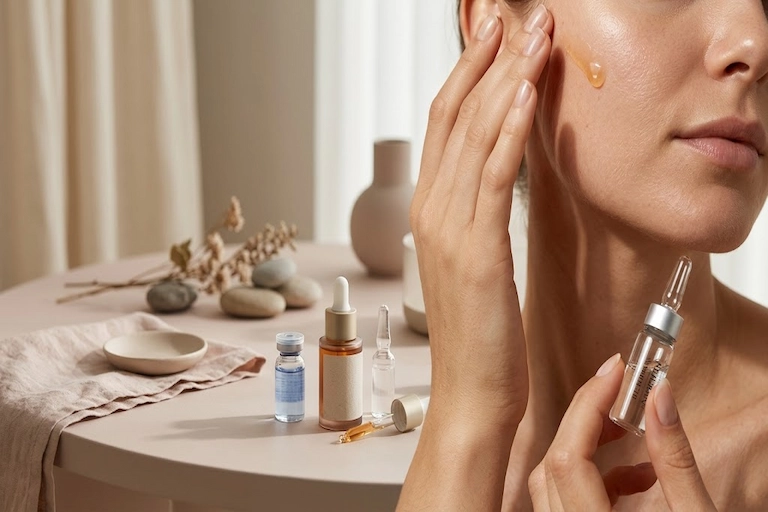
For women who want to explore regenerative skincare without clinic visits, topical PDRN serums offer an accessible entry point. These products deliver polynucleotide technology in serum or ampoule format for daily home use. Results are more gradual than injectable treatments. Consistent use for at least four to six weeks is recommended before evaluating any visible improvement.
Does It Actually Work?
The honest answer is that it depends on the type of treatment being used and the expectations people bring to it. In regenerative skincare, results can vary widely between injectable procedures, exosome therapies, and topical skin repair products.
For injectable PDRN and Rejuran treatments, the clinical evidence looks genuinely promising. Studies reviewed by Beauty Independent show that polynucleotide based skincare treatments can improve skin texture, elasticity, and hydration. A review published on PMC also found that polynucleotides helped improve skin texture and reduce wrinkle depth across multiple studies, although researchers noted that more high quality randomized controlled trials are still needed to fully confirm long term efficacy and treatment standards.
For topical PDRN serums, the picture is more nuanced. The biological mechanism is real PDRN does have a plausible and well studied pathway for skin repair but the delivery challenge is significant. Getting large DNA fragments to penetrate the skin barrier effectively through topical application is harder than delivering them via injection. Results from topical serums are real but more subtle, and they work best as a supporting layer in a well structured skincare routine rather than a standalone treatment.
The takeaway is that regenerative skincare does work, but the results depend heavily on the delivery method. Injectable treatments typically deliver faster and more noticeable improvements in skin quality, texture, and elasticity. In contrast, topical regenerative serums provide more gradual, incremental benefits that build over time with consistent use.
Who Is It Best For?
Regenerative skincare treatments are best suited for women dealing with skin texture concerns, early fine lines, acne scarring, compromised skin barriers, or post procedure recovery needs. They also suit anyone who prefers gradual, natural looking improvement over dramatic cosmetic change the results are described by patients consistently as looking refreshed rather than done.
Injectable treatments are ideal candidates for women who have already established a solid skincare foundation and are looking for the next level of improvement. Topical PDRN serums work well for women in their late twenties onward who want to address early signs of aging or strengthen a compromised barrier before considering clinic treatments.
Regenerative skincare is generally not the right starting point for skincare beginners. The fundamentals daily SPF, a good moisturizer, and a stable retinoid still deliver the highest return on investment for most skin types. These core skincare basics should usually come first before moving into regenerative skincare treatments or more advanced skin repair options.
What Does It Cost?
Pricing varies significantly by treatment type, provider expertise, and location. To help you plan your budget, here is a verified cost breakdown based on current US clinic and retail market data:
| Treatment Type | Average Cost (per session) | Sessions Needed | Key Highlight |
| Injectable PDRN / Rejuran | $800 – $1,500 | 2–3 sessions | Needs maintenance every 6-8 months |
| Exosome Facial (Clinics) | $500 – $1,500 | 4–6 sessions | NYC/LA prices can exceed $1,050+ |
| Topical PDRN Serums | $30 – $150 | Daily home use | Budget-friendly K-beauty entry point |
The price difference between topical serums and injectable treatments is significant, and so is the difference in results. Injectable treatments deliver more immediate and measurable improvement. Topical serums offer a lower cost entry point with more gradual, incremental benefits over consistent use.
Pros & Cons
Pros:
- Works at a cellular level, targeting the root causes of skin aging rather than just surface level symptoms, making it a key part of modern regenerative skincare and skin rejuvenation treatments.
- Supports gradual, natural looking improvements in skin texture, elasticity, and hydration over time.
- Well suited for sensitive, compromised, or barrier damaged skin, especially in advanced skin repair routines.
- Topical options like PDRN skincare serums and regenerative formulations are available at more accessible price points compared to clinical procedures.
- Growing clinical research on polynucleotides, exosome therapy, and PDRN treatments continues to support their role in aesthetic dermatology.
Cons
- Injectable regenerative treatments such as Rejuran and PDRN injections are not FDA approved in the United States as of 2026
- Professional clinic based regenerative skincare treatments can require a significant financial investment.
- Topical serums offer subtle, gradual results and require consistent long term use.
- Not ideal as a first step skincare category; it works best after a stable foundation skincare routine is established.
- High quality comparative clinical trials in regenerative dermatology are still limited, especially for long term outcomes.
What’s your take? Have you tried a topical PDRN serum yet, or are you considering a clinic visit for an exosome facial this year? Let us know your thoughts or questions in the comments below!
Regenerative skincare 2026 is not a trend built on marketing alone. The science behind PDRN, polynucleotides, and exosome treatments is real, the clinical data is growing, and the results particularly from injectable formats, are measurably better than what many traditional anti-aging treatments deliver at comparable price points.
The category does have honest limits. Injectable treatments carry regulatory restrictions in the US, topical serums require patience and realistic expectations, and this is not where a skincare beginner should start. But for women who have already built a solid routine and want the next meaningful step in skin health, regenerative skincare is worth taking seriously in 2026.
FAQs
Q1. Is regenerative skincare better than retinol?
Ans. While retinol works by accelerating surface cell turnover, regenerative skincare treatments such as PDRN and exosomes focus on deeper cellular repair and collagen stimulation. For the best anti aging skincare results in 2026, many dermatologists recommend combining both approaches instead of choosing one over the other.
Q2. Is PDRN safe for all skin types?
Ans. Polynucleotide based treatments have demonstrated a strong safety profile across multiple clinical trials and are considered biocompatible and hypoallergenic. They are generally well tolerated by sensitive skin types, though a consultation with a licensed professional is recommended before any injectable treatment.
Q3. How long does it take to see results from regenerative skincare?
Ans. Injectable treatments typically show noticeable improvement within four to six weeks as new collagen forms. Topical PDRN serums require consistent use for at least four to six weeks before results become visible. Both formats improve over time with continued use.
Q4. Are Rejuran injections available in the US?
Ans. As of April 2026, Rejuran injectable treatments are not FDA approved in the United States. They are available at select clinics as off label treatments. Topical PDRN serums are widely available without restriction.
Reviewed by Maya Kim, Beauty & Skincare Editor at Candid Discoveries.